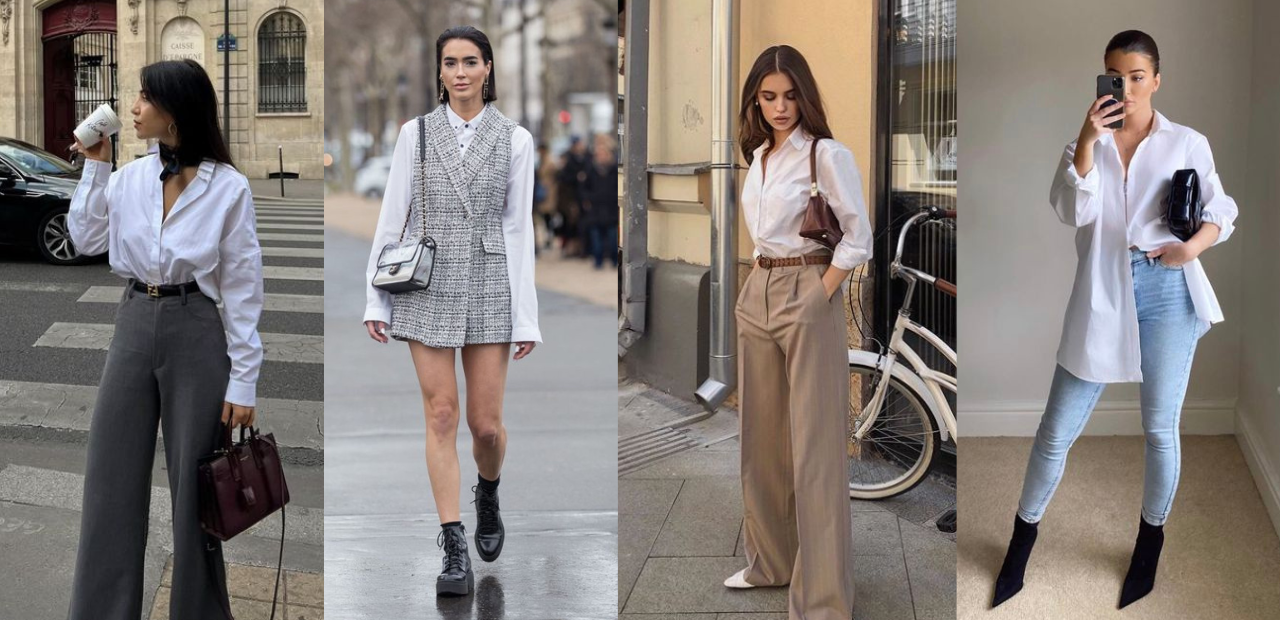

Christmas fashion is less about chasing trends and more about feeling prepared, comfortable, and confident for a season that stretches across family gatherings, office celebrations, casual visits, religious services, and quiet evenings at home. The challenge is not owning more clothes, but knowing what actually works for your December.
This checklist is designed to help you dress intentionally—without last-minute stress, impulse buying, or outfits that look good only in photos but feel wrong in real life.
Define What Your Christmas Actually Looks Like
Before thinking about clothes, think about context. Christmas does not look the same for everyone, and your wardrobe should reflect your reality, not an imagined aesthetic.
Are you attending formal dinners or staying mostly at home? Do you have work-related events? Will you be travelling, hosting, or moving between multiple homes? Are religious services part of your schedule?
Write down the types of moments you realistically need outfits for. This clarity prevents overbuying and helps you focus on pieces you will actually wear.
Start With One Dependable “Main Outfit”
Every Christmas needs one outfit you can rely on—something that feels festive, photographs well, and does not require constant adjustment.
This could be a midi dress, a coordinated set, tailored trousers with a statement top, or a saree or dress you already love. The key is fit and comfort. If you are tugging, adjusting, or worrying about it all day, it is not the right choice.
Build Around Comfortable Base Pieces
Christmas days are long. Meals are heavy. Schedules are unpredictable. Comfort matters more than we often admit.
Ensure you have at least two reliable base options:
- A comfortable pair of trousers or a skirt that allows movement
- A breathable top or blouse that works for warm indoor settings
Stretch, fabric weight, and breathability are more important than how dramatic the piece looks on a hanger. Comfort does not mean casual—it means ease.
Layering Is Not Optional
December weather and indoor temperatures can change quickly. Layering allows you to adapt without ruining your outfit.
Lightweight cardigans, shawls, scarves, structured jackets, or blazers can elevate even simple looks. Choose neutral or festive tones that complement multiple outfits.
A good layer should add polish, not bulk. If it only looks good when worn one specific way, it is not versatile enough.
Choose Shoes You Can Actually Wear All Day
Shoes often ruin otherwise good outfits. Christmas involves standing, walking, greeting people, and sometimes unexpected errands.
Have at least two footwear options ready:
- One polished pair suitable for events
- One comfortable pair for longer days
If a shoe looks good but you know you will avoid wearing it, remove it from your plan. Confidence comes from comfort, not endurance.
Accessories: Edit Ruthlessly
Accessories should enhance your outfit, not compete with it.
Choose one or two statement elements:
- Earrings or a necklace
- A clutch or structured bag
- A festive hair accessory
Avoid wearing everything at once. Christmas style works best when it feels intentional rather than overloaded.
Plan for Repetition Without Guilt
You do not need a new outfit for every gathering. Repeating clothes is normal, practical, and sustainable.
Style the same base outfit differently across events:
- Change footwear
- Swap jewellery
- Add or remove layers
When your clothes fit well and feel like you, repetition goes unnoticed. Confidence is far more memorable than novelty.
Account for Food, Movement, and Long Hours
Christmas fashion should allow you to eat comfortably, sit for long periods, and move freely.
Avoid overly restrictive waistlines, fabrics that crease immediately, or outfits that only look good when standing still. Clothes that work with your body—not against it—will always look better by the end of the day.
Do a Full Try-On Before Christmas Week
Trying outfits the night before creates unnecessary stress. Do a full try-on early.
Wear the complete outfit—shoes, accessories, layers—and check:
- Fit after sitting
- Comfort after walking
- Ease of movement
If something feels “almost right,” fix it or replace it now, not later.
Choose Fabrics That Suit the Season
Christmas often involves warmth, humidity, and indoor gatherings.
Opt for fabrics that breathe and move:
- Cotton blends
- Linen blends
- Soft silks or satins
- Light knits
Avoid fabrics that trap heat, cling uncomfortably, or require constant adjustment.
Leave Space for Personal Style
Trends come and go, but personal style is what makes an outfit memorable.
Whether you prefer minimal silhouettes, bold colours, traditional wear, or modern tailoring, let your choices reflect who you are. Christmas fashion should feel like an extension of your identity, not a costume you put on for a day.
Keep a “Low-Effort” Backup Outfit
Unexpected plans happen. Weather changes. Laundry delays occur.
Have one clean, complete backup outfit ready—something you know works without thought. This single step removes a surprising amount of holiday stress.
Finish With Grooming, Not Perfection
Clothes work best when supported by simple grooming:
- Clean, natural makeup or skincare
- Hair styled in a way you can maintain
- Well-fitted undergarments
You do not need perfection. You need ease. When you feel comfortable and present, your outfit succeeds.
Click on here “Why Young Female Professionals Feel Lost Even After Getting a Job”