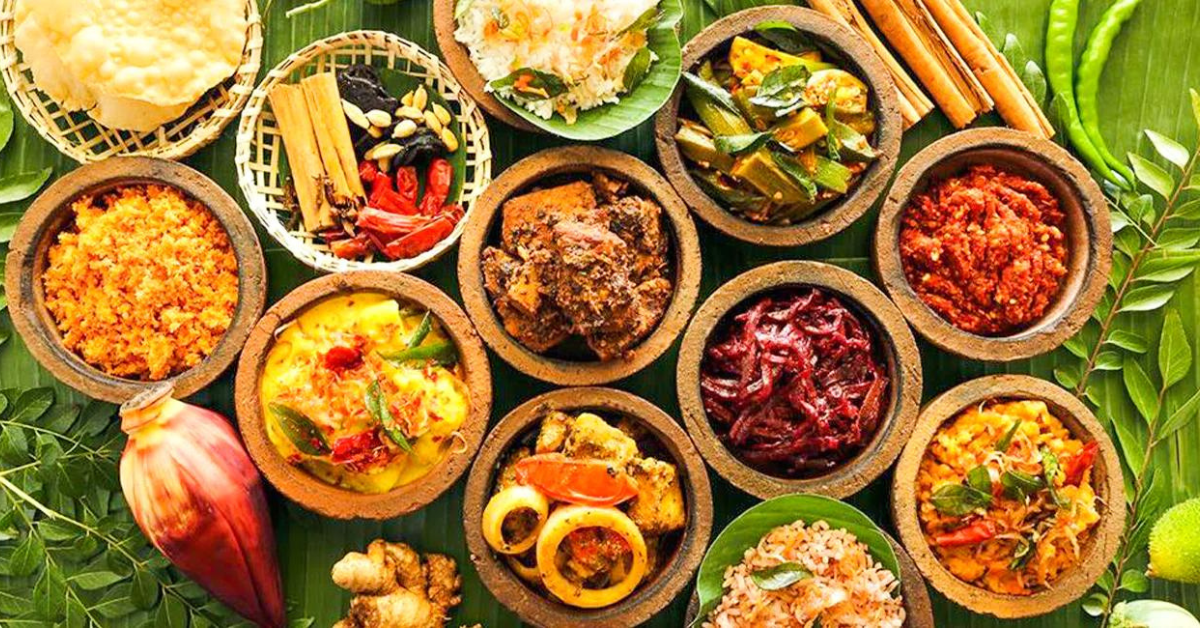
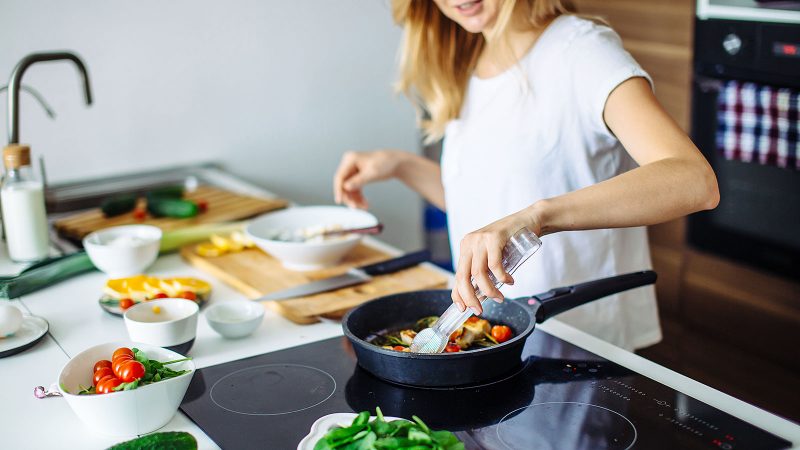
In recent years, food has quietly shifted roles. What was once treated as a convenience, an indulgence, or a background routine is now being reconsidered as something more fundamental: a source of stability. Across cultures, age groups, and income levels, people are returning to home cooking—not as a nostalgic hobby, but as a practical response to uncertainty.
Rising living costs, burnout, health concerns, and a growing distrust of hyper-processed food have all contributed to this shift. Cooking at home is no longer framed as something you do when you “have time.” It is increasingly seen as a grounding practice—one that restores control, rhythm, and reassurance in everyday life.
Below is a closer look at why home cooking is making a strong comeback, and what it reveals about how people are redefining stability.
Food as Control in an Uncertain World
Economic instability has changed how people think about food. Inflation, fluctuating prices, and shrinking disposable income have made eating out feel unpredictable. Home cooking, by contrast, offers visibility and control.
When you cook at home, you know:
- How much you are spending
- What ingredients are going into your body
- How meals fit into your weekly routine
This sense of control matters. In periods of uncertainty, people naturally gravitate towards systems they can manage. Cooking becomes a way to reclaim agency in a world that often feels externally driven—by algorithms, markets, or schedules beyond one’s influence.
The Quiet Rejection of Convenience Culture
For decades, convenience was marketed as progress. Ready meals, food delivery apps, and fast-casual dining promised freedom from effort. But convenience has a hidden cost: disconnection.
Many people now recognise that constant outsourcing of meals creates:
- Decision fatigue
- Nutritional imbalance
- Emotional distance from eating itself
Home cooking represents a quiet rejection of this model. It is not about rejecting convenience entirely, but about choosing intentional effort over passive consumption. Cooking, even in simple forms, reintroduces awareness—of hunger, fullness, taste, and satisfaction.
Health Is No Longer Just About Diet Trends
The return to home cooking is also driven by a broader shift in how health is understood. Instead of chasing restrictive diets or superfoods, people are focusing on sustainability—what they can realistically maintain long-term.
Home cooking supports this by:
- Reducing reliance on ultra-processed foods
- Allowing flexible portion control
- Encouraging balanced meals rather than extremes
Importantly, this shift is less about perfection and more about consistency. Cooking simple meals regularly is proving more beneficial than oscillating between “clean eating” and burnout.
Emotional Regulation Through Routine
Cooking provides structure. Planning meals, prepping ingredients, and eating at roughly the same times each day creates rhythm. In psychology, routine is strongly linked to emotional regulation.
For people dealing with anxiety, grief, or exhaustion, cooking can serve as:
- A grounding activity
- A predictable daily anchor
- A low-stakes form of accomplishment
Unlike many modern tasks, cooking has a clear beginning and end. You start with raw ingredients and finish with something tangible. This clarity is deeply stabilising in a world where many forms of work feel abstract or endless.
Rebuilding Family and Social Bonds
Home cooking also plays a role in restoring interpersonal connection. Shared meals—whether daily dinners or occasional weekend cooking—create space for conversation without screens.
In many households, cooking together has become:
- A shared responsibility rather than an individual burden
- A way to pass down cultural knowledge
- A moment of collective pause
This is particularly significant in cultures where food is central to identity. Cooking at home allows traditions to continue in subtle ways, even as lifestyles modernise.
Financial Prudence Without Deprivation
Unlike extreme budgeting measures, home cooking does not feel like deprivation when approached thoughtfully. Instead, it reframes value.
People are learning to:
- Spend less frequently, but more intentionally
- Prioritise quality staples over impulse purchases
- Reduce waste by planning meals
This approach aligns with a broader cultural move towards mindful consumption. The goal is not to cut joy, but to eliminate excess that no longer adds value.
The Rise of Simple, Flexible Cooking
Notably, the comeback of home cooking does not mean elaborate recipes or time-intensive meals. The trend leans towards simplicity.
Popular approaches include:
- One-pot meals
- Batch cooking
- Adaptable recipes using local ingredients
This reflects realism. People are not romanticising cooking—they are integrating it into busy lives in ways that feel supportive rather than burdensome.
Technology as a Support, Not a Substitute
Interestingly, technology has not disappeared from the kitchen—it has been repositioned. Instead of replacing cooking, digital tools now support it.
Examples include:
- Online recipe libraries
- Budgeting apps for grocery planning
- Social media content focused on practical, realistic meals
This shows a more balanced relationship with technology: one where it enhances human effort rather than replacing it entirely.
Food as Identity and Self-Trust
Cooking at home reinforces self-trust. You decide what you eat, when you eat, and how you nourish yourself. Over time, this builds confidence—not just in cooking skills, but in one’s ability to care for personal needs.
For many, this is a quiet form of self-respect. Preparing food becomes a statement: my wellbeing is worth time and attention.
Why This Shift Is Likely to Last
Unlike short-lived food trends, the return to home cooking is rooted in structural changes—economic pressure, lifestyle fatigue, and evolving values. These factors are not temporary.
Home cooking aligns with:
- Sustainable living
- Mental and physical health
- Financial resilience
As such, it is less a trend and more a recalibration of priorities.
Click on here “Comfort Is the New Confidence: Why Women Are Dressing Differently Now”