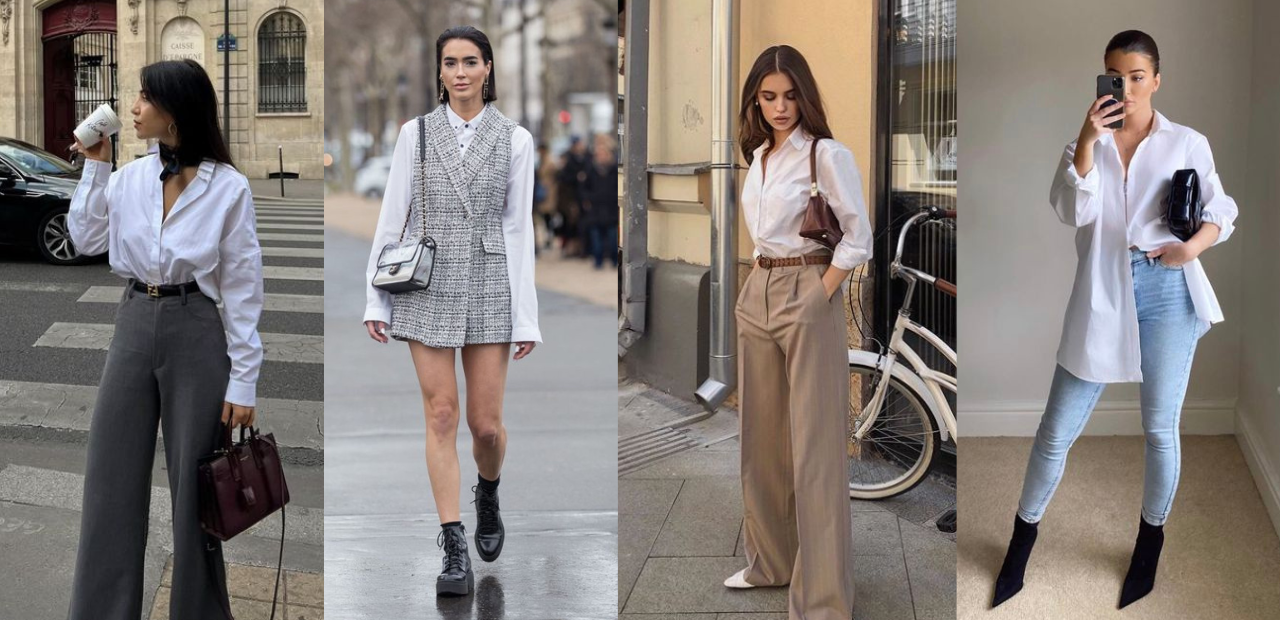
In a world that constantly asks us to optimise, perform, and present our “best selves,” beauty has quietly become another arena of pressure. What was once a form of self-expression is now often measured against algorithms, trends, and impossible standards. The result? A generation that is well-dressed, well-informed—and deeply tired.
Reclaiming beauty today is not about rejecting style or aesthetics. It is about releasing the pressure attached to them. It is about returning beauty to its original purpose: to serve the person, not control them.
The Quiet Burnout Behind Modern Beauty
Beauty culture did not become exhausting overnight. It evolved gradually, shaped by social media, influencer economies, and constant visibility. Every outfit, face, and body is now potentially public-facing. Even private moments are framed through the lens of how they might appear online.
This creates a subtle but persistent form of fatigue. Getting dressed feels like a performance. Skincare feels like a regimen with moral value. Rest is delayed until one looks “presentable.”
The pressure is not always loud. It whispers:
- “You should try harder.”
- “You’re falling behind.”
- “This version of you isn’t enough.”
Over time, beauty stops being pleasurable and starts feeling like labour.
When Style Becomes Surveillance
Style was once about identity, culture, and mood. Today, it is often shaped by external validation. Likes, saves, and comments become feedback loops that influence what people wear, how they wear it, and whether they feel confident doing so.
This turns personal style into a form of self-surveillance. People assess themselves from the outside in. Instead of asking, “Do I feel good in this?” the question becomes, “How will this be perceived?”
The result is uniformity disguised as choice. Trends cycle faster than ever, leaving little room for individuality to settle. Clothing is bought for moments, not lives. Beauty routines expand, but satisfaction shrinks.
Reclaiming style means stepping out of this constant evaluation.
Redefining Beauty as Energy, Not Appearance
One of the most radical shifts we can make is redefining beauty not as how something looks, but as how it feels to live with it.
Does this outfit allow you to move freely?
Does this routine support your energy or drain it?
Does this aesthetic reflect your life—or someone else’s?
Beauty without pressure prioritises ease, comfort, and alignment. It understands that elegance can exist without effort, and that authenticity often looks quieter than trends suggest.
This is not about abandoning care or creativity. It is about choosing practices that give back more than they take.
Click on here “Comfort Is the New Confidence: Why Women Are Dressing Differently Now”
The Return of Personal Style
Personal style is not built in a weekend or discovered through a single trend. It is shaped slowly, through repetition, preference, and lived experience. It changes as life changes.
Reclaiming personal style requires permission to repeat outfits, to favour comfort, and to resist constant novelty. It allows for inconsistency. Some days are polished; others are simple. Both are valid.
True style is recognisable not because it is loud, but because it is consistent with who someone is.
In a tired world, the most stylish people are often those who look at ease with themselves.
Beauty as a Relationship, Not a Standard
When beauty is treated as a standard, it becomes something to chase. When it is treated as a relationship, it becomes something to tend.
A relationship with beauty involves listening. It responds to seasons of life—stress, joy, grief, growth. It adapts. It forgives.
This perspective removes the urgency to “fix” oneself. It replaces it with curiosity:
“What do I need right now?”
“What feels supportive today?”
Sometimes the answer is makeup and intention. Sometimes it is rest and simplicity. Both can be beautiful.
Cultural Pressure and the Myth of Effortlessness
Modern beauty often glorifies effortlessness while demanding immense effort behind the scenes. The “natural look” requires products. The “low-maintenance” routine requires time, money, and discipline.
This contradiction creates shame. If beauty looks effortless on others, struggling must mean personal failure.
Reclaiming beauty involves exposing this myth. There is no universal baseline. Bodies, faces, hair, and lives differ. What looks simple on one person may be work for another.
Releasing comparison is not a lack of ambition. It is an act of clarity.
Choosing Presence Over Perfection
One of the most overlooked costs of beauty pressure is presence. When people are preoccupied with how they look, they are less available to how they feel, where they are, and who they are with.
Reclaiming style means choosing to be present—even when not perfectly styled. It means attending life as you are, not as a curated version.
This shift does not reduce beauty. It deepens it. Presence adds a quality no product can replicate.
The Power of Simplification
Simplifying beauty routines and wardrobes is not about minimalism as an aesthetic. It is about reducing decision fatigue and mental load.
When fewer choices are aligned with personal values, getting dressed becomes easier. When routines are realistic, consistency improves. When beauty supports life instead of competing with it, confidence stabilises.
Simplification creates space—for creativity, rest, and self-trust.
Beauty as Self-Respect, Not Self-Control
There is a thin line between care and control. Beauty culture often crosses it by framing discipline as virtue and deviation as failure.
Reclaiming beauty reframes self-care as respect rather than restraint. It asks whether choices are motivated by fear or by care.
Self-respect allows flexibility. It recognises that worth does not fluctuate with appearance. It understands that beauty is not something to earn.
Teaching the Next Generation Differently
The way beauty is modelled today shapes how the next generation will experience their bodies and identities. When pressure is normalised, exhaustion becomes inherited.
Reclaiming beauty now is not just personal. It is cultural. It shows that style can coexist with rest, that confidence does not require constant improvement, and that beauty can be expansive rather than narrow.
Living Well Is the New Aesthetic
In a tired world, living well is quietly becoming the most compelling form of beauty. Well-rested faces, clothes that move with the body, routines that respect limits—these signal something deeper than trend awareness.
They signal self-knowledge.
Beauty without pressure does not demand attention. It invites recognition.