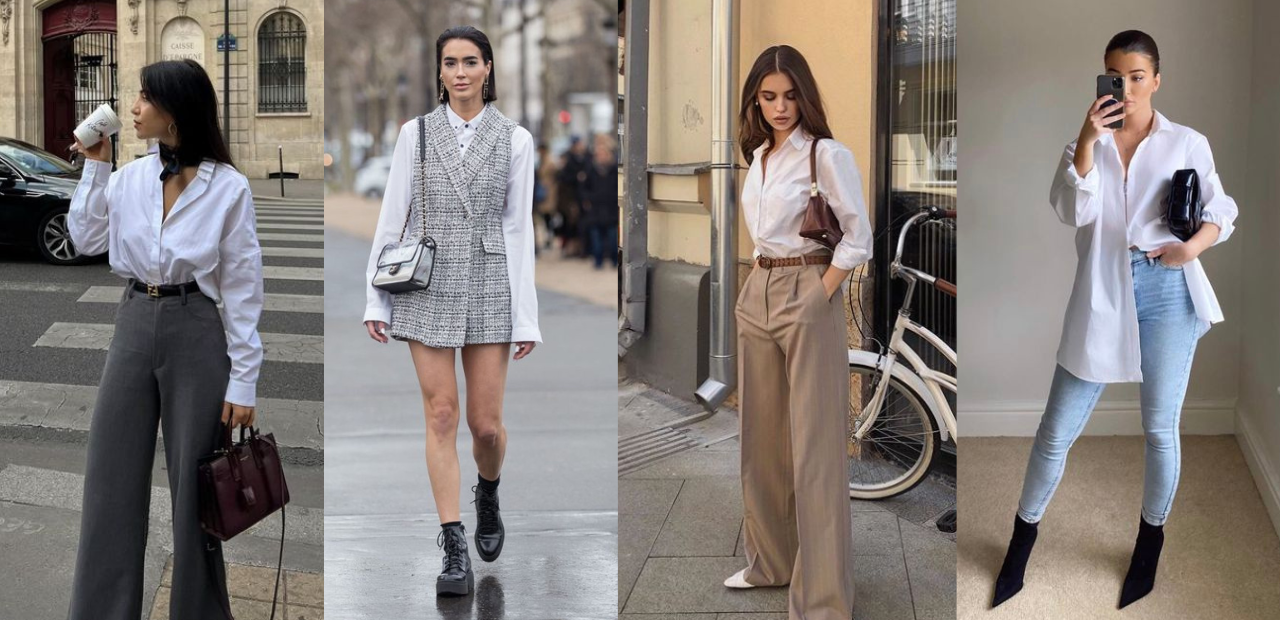

For decades, women’s fashion was shaped by a narrow definition of confidence—sharp heels, structured silhouettes, and the idea that looking “put together” often required discomfort. Today, that definition is quietly but decisively changing. Across workplaces, social spaces, and everyday life, women are choosing clothing that allows them to breathe, move, and exist without constant adjustment.
Comfort is no longer framed as laziness or a lack of effort. It has become a form of self-assurance. This shift is not a trend driven by a single season or influencer; it is a response to deeper cultural, psychological, and economic changes shaping how women live and work.
The End of Fashion as Endurance
For a long time, women were expected to tolerate discomfort as a sign of discipline and professionalism. Tight waistlines, restrictive fabrics, and impractical footwear were normalised under the idea that beauty and seriousness required sacrifice.
What has changed is not women’s standards—but their tolerance for unnecessary strain. Modern confidence is less about enduring and more about choosing. Clothing is no longer armour worn to survive judgment; it is a tool to support daily life.
This shift reflects a broader refusal to equate suffering with worth. When women opt for softer fabrics, flat shoes, or relaxed tailoring, they are not opting out of style—they are redefining what power looks like.
Click on here “Exercise for Energy, Not Punishment: A New Way Forward”
Workplace Culture Has Shifted—and So Has the Dress Code
One of the biggest drivers behind this change is how women work today. Hybrid schedules, remote work, and flexible hours have altered not only routines but also priorities. When the workplace moved closer to home, the line between “professional” and “personal” dressing blurred.
Rigid office attire began to feel disconnected from actual productivity. Women noticed they performed better when they were physically comfortable—able to focus without constant awareness of tight collars, pinching shoes, or restrictive skirts.
As a result, tailored trousers with stretch, breathable blouses, knit blazers, and polished flats have replaced traditional corporate uniforms. Confidence now comes from competence and clarity, not stiffness.
Comfort as a Boundary, Not a Compromise
Choosing comfort is also a form of boundary-setting. Many women are no longer willing to prioritise other people’s visual expectations over their own physical and mental wellbeing.
This is particularly visible in how women dress for social settings. There is less pressure to appear perpetually “on display.” Outfits are chosen for longevity—how they feel after hours of wear, not just how they photograph in the first ten minutes.
Comfortable dressing signals self-respect. It communicates that a woman values her time, energy, and body enough not to negotiate with pain for approval.
The Influence of Wellness and Body Awareness
The rise of wellness culture—while not without its flaws—has made women more aware of their bodies. Conversations around posture, circulation, hormonal balance, and chronic pain have exposed how clothing can either support or strain the body.
High-waisted leggings, relaxed dresses, natural fabrics, and supportive footwear are not merely aesthetic choices. They reflect a growing understanding that daily comfort affects mood, focus, and long-term health.
This awareness has reshaped fashion priorities. Clothing is expected to work with the body, not against it.
Confidence Looks Different at Different Life Stages
Another reason women are dressing differently is that confidence itself evolves. What felt empowering at 22 may feel impractical or performative at 32 or 42.
As women take on more responsibility—careers, caregiving, leadership, entrepreneurship—their clothing needs to keep pace. Efficiency matters. Reliability matters. Ease matters.
Comfortable dressing supports this stage of life, where confidence is internal and grounded rather than performative. The need to “prove” oneself through appearance diminishes, replaced by a desire to feel capable and present.
Social Media and the Redefinition of Style Icons
Traditional fashion media once dictated narrow ideals of style. Today, women are exposed to a wider range of role models—creators, founders, professionals, and everyday women who dress for real life.
On social platforms, confidence is increasingly associated with authenticity. Women who dress comfortably yet intentionally are perceived as relatable and credible, not careless.
This visibility matters. It normalises the idea that style does not require discomfort, and that confidence can coexist with softness, practicality, and repetition.
Sustainability Has Changed Buying Habits
Comfort-driven dressing also aligns with sustainability. Women are buying fewer items and expecting more from each piece. Clothing must last, adapt, and feel good over time.
This has shifted demand toward quality fabrics, versatile cuts, and timeless designs rather than trend-heavy, restrictive pieces. Comfort encourages thoughtful consumption—choosing clothes that integrate seamlessly into daily life instead of demanding special conditions to be worn.
Confidence, in this context, comes from alignment—knowing that what you wear reflects your values as well as your lifestyle.
Masculine, Feminine, and Everything in Between
Comfort has also softened rigid gender expectations in clothing. Women are freely borrowing from traditionally masculine silhouettes—loose trousers, oversized shirts, flat shoes—without feeling the need to compensate with overt femininity.
At the same time, feminine elements are reinterpreted in softer ways: flowy dresses, breathable fabrics, and gentle tailoring. The result is a more fluid expression of style that prioritises comfort without erasing identity.
This freedom is confidence in its truest form—the absence of fear around how one is perceived.
Comfort Does Not Mean Careless
A common misconception is that comfort equals lack of effort. In reality, comfortable dressing often requires more intention. It involves understanding fit, fabric, proportion, and function.
Women who dress comfortably are not disengaged from style; they are selective. They know what works for their bodies and routines. This clarity itself is a form of confidence.
Well-fitted, comfortable clothing signals self-knowledge—a trait far more compelling than trend compliance.
Why This Shift Is Here to Stay
This movement is not a temporary response to global disruptions or changing workplaces. It reflects a deeper recalibration of how women relate to themselves.
Confidence is no longer something to be performed for external validation. It is cultivated through ease, alignment, and autonomy. Clothing that supports rather than constrains becomes an extension of that mindset.
As women continue to challenge outdated expectations, comfort will remain central—not as an aesthetic choice, but as a value.