
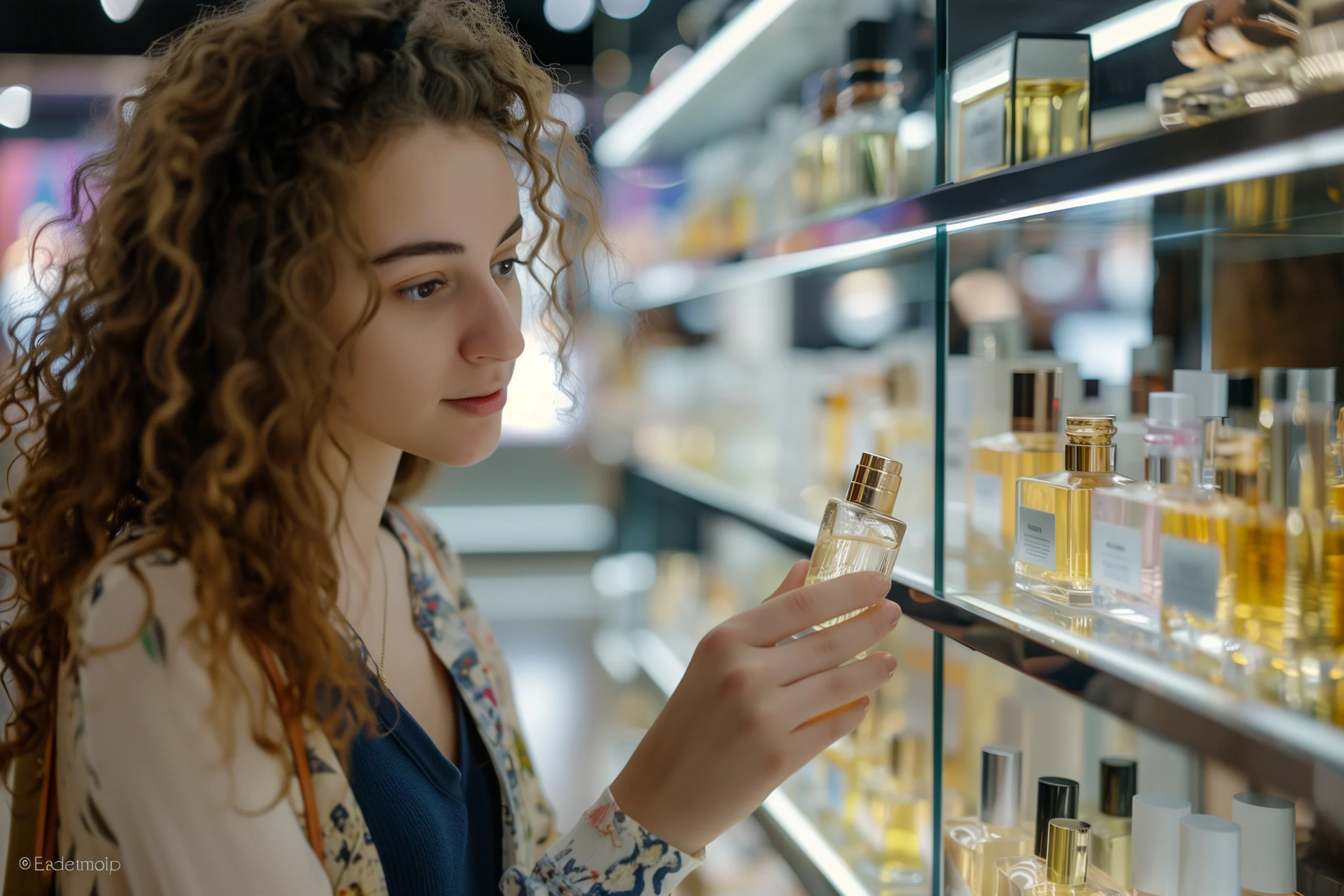
Fragrance is one of the most personal forms of self-expression. Long before you say a word, your scent communicates mood, style, confidence, and even identity. Yet, when you walk into a store or browse online, the labels can be confusing — especially when you see terms like Eau de Parfum (EDP) and Eau de Toilette (EDT).
They look similar, they sound similar, and most people assume they are just stronger or weaker versions of the same perfume. But the truth is more layered. EDP and EDT differ not only in concentration but also in performance, longevity, projection, seasonality, and even personality.
This guide breaks down the key differences and helps you choose the right fragrance for your lifestyle, climate, mood, and daily routine.
Understanding Fragrance Concentrations
Every perfume is a blend of essential oils, aromatic compounds, water, and alcohol. What makes EDP and EDT different is simply the percentage of fragrance oils mixed into the formula.
- Eau de Toilette (EDT): 5–15% perfume oil
- Eau de Parfum (EDP): 15–20% perfume oil (sometimes slightly more)
This concentration affects how strong the fragrance smells, how long it lasts, and how intensely it projects from your skin.
Higher oil concentration = richer scent + longer wear.
Lower oil concentration = lighter scent + quicker evaporation.
But this doesn’t mean one is “better” than the other. They serve different purposes.
The Personality of an Eau de Parfum (EDP)
EDPs are designed to be fuller, deeper, and more complex. The higher oil concentration means the base notes (vanilla, woods, musk, amber) are more dominant and long-lasting.
Key Characteristics of EDP:
- Longevity: 6–12 hours depending on skin type
- Projection: Moderate to strong — those around you can smell it without it being overpowering
- Intensity: Richer and warmer
- Best for: Evenings, cooler weather, formal events, long workdays
Why Choose an EDP?
If you want a fragrance that lasts all day without reapplying, EDP is the safer choice. It suits people who prefer depth — the kind of scent that evolves slowly on the skin.
EDPs also tend to feel more “luxurious” because perfumers emphasise the heart and base notes more than the citrus top notes that fade quickly.
When Should You Avoid EDP?
- In hot climates, EDP can feel too heavy or overwhelming.
- If you prefer airy, fresh, barely-there scents, an EDP might feel too intense.
- Not ideal for the gym, small enclosed offices, or casual errands.
The Personality of an Eau de Toilette (EDT)
EDTs are lighter, fresher, and more top-note driven. Expect bright citrus, herbs, aromatics, and fresh florals to shine.
Key Characteristics of EDT:
- Longevity: 2–6 hours
- Projection: Light to moderate
- Intensity: Airy and refreshing
- Best for: Daytime, warm climates, office wear, everyday use
Why Choose an EDT?
Sri Lanka’s tropical climate naturally favours EDTs — the heat intensifies scent, so the lighter concentration wears comfortably without becoming overwhelming.
EDTs also have a youthful, energetic quality. They’re ideal for people who like fresh scents that feel clean and easy.
When Should You Avoid EDT?
- If you need a fragrance that lasts from morning to late evening.
- If you prefer deep, sensual scent profiles.
- If your skin chemistry absorbs fragrance quickly.
Click on here “Choosing the Right Accessories for Your Office Christmas Party”
Fragrance Notes: Why EDP and EDT of the Same Perfume Can Smell Different
Many brands release the same perfume in both versions, like Dior Sauvage, Chanel Coco Mademoiselle, or Versace Bright Crystal.
But they are not identical.
Because perfumers rebalance the formula to suit the concentration:
- In EDTs: top notes dominate (citrus, bergamot, ginger, neroli)
- In EDPs: heart and base notes take centre stage (amber, vanilla, patchouli, musk)
This can make them feel like two different personalities of the same scent.
Example:
- A citrus-floral EDT may smell bright and sparkling.
- The same scent in EDP may feel warmer, creamier, and more sensual.
So always test both before assuming one version is just a “stronger” copy.
How Climate and Weather Affect Your Choice
Warm or humid weather (like Sri Lanka):
- EDT works best — fresher scents feel more breathable.
- Citrus, aquatic, green, and light floral notes perform beautifully.
- EDPs can become too dense or overpowering.
Cold weather:
- EDP thrives — it warms up on skin and projects better.
- Amber, oud, vanilla, spices, leather, and woods develop perfectly.
Rainy or Monsoon days:
- EDP holds better as humidity is lower indoors.
- EDT fades faster.
Seasonality matters just as much as concentration.
How to Match Fragrance with Occasion and Lifestyle
Different days call for different scent strengths.
Best Occasions for EDT:
- Work or office environments
- Brunch, day dates, casual outings
- Outdoor activities, travel days
- Hot afternoons and beach climates
Light, fresh, clean — an EDT stays appropriate and non-intrusive.
Best Occasions for EDP:
- Night outs
- Romantic dinner dates
- Weddings and formal events
- Business meetings where longevity matters
- Cold, air-conditioned, or evening environments
Richer, longer-lasting, and sensory — an EDP creates presence.
How Skin Type Influences Scent Longevity
Fragrance reacts with skin chemistry. Your skin type can make the same scent last differently.
1. Oily Skin:
Natural oils help hold the fragrance longer.
Both EDP and EDT last well.
2. Dry Skin:
Fragrance evaporates faster.
EDP is more suitable due to higher oil content.
3. Sweaty / Active Lifestyle:
EDT feels more breathable and comfortable.
A simple trick: apply a light unscented moisturiser before spraying. It increases longevity by reducing evaporation.
How to Decide If You Should Buy EDP or EDT
Use these simple criteria to find your match.
Choose EDP if:
- You want your scent to last all day
- You prefer warm, deep, mature fragrances
- You often attend evening events
- You have dry skin
- You want a signature scent with strong presence
Choose EDT if:
- You live in hot weather
- You want something light and refreshing
- You need office-friendly scents
- You prefer subtle aroma over intensity
- You enjoy bright citrus and fresh notes
Most fragrance collectors own both — one for day, one for night.
How to Test Fragrance Properly Before Buying
1. Don’t smell straight from the bottle
It shows only the top notes.
2. Spray on skin, not paper strips
Your skin chemistry reveals the real scent.
3. Wait at least 30 minutes
EDP and EDT transform differently as they dry down.
4. Test during the time you plan to wear it
Daytime vs night-time testing gives different results.
5. Don’t test more than 3–4 scents at once
Your nose gets overwhelmed quickly.
Take your time — a fragrance becomes part of your identity.
Final Thoughts: Which One Is Truly “Better”?
Neither EDP nor EDT is superior — they simply serve different moods, climates, and personalities.
- If you crave strength, sensuality, longevity → choose EDP.
- If you want freshness, subtlety, comfort → choose EDT.
The best choice is the one that matches your environment, your style, and how you want to feel when you walk into a room.


